Flex Rooms: Why the Most Valuable Room in Your Home Doesn’t Have a Fixed Purpose

Walk through your home and think about the room that gets the least use—or the one that’s constantly changing. Maybe it was supposed to be a dining room, but it’s now half office, half storage. Or a guest room that only sees visitors twice a year. That room? That’s your Flex Room—and it might be one of the most important spaces in your home.
Today’s homeowners aren’t looking for more rooms. They’re looking for better ones.
What a Flex Room Really Is (and Why Homeowners Love Them)
A Flex Room isn’t defined by square footage or location. It’s defined by freedom. It’s the room that adapts as your life does—without requiring a move or a remodel.
For homeowners, that flexibility means:
- A home office during the week that converts into a guest room on weekends
- A workout room that later becomes a nursery or playroom
- A quiet retreat now that could easily serve as a study, hobby room, or media room later
Instead of locking your home into one phase of life, Flex Rooms let your home grow with you.
Why Flex Rooms Feel So Valuable to Live In
Life changes faster than floor plans. Remote work, hybrid schedules, side projects, kids moving in or out, and aging parents have all changed how homeowners use their homes.
Flex Rooms solve a common frustration:
“We love our house, but it doesn’t quite work anymore.”
With a Flex Room, you don’t need to upsize or reconfigure your entire home when your needs shift. One room absorbs the change.
That adaptability creates:
- Less stress
- Fewer compromises
- More reasons to stay in a home longer
And that’s something homeowners feel every single day.
How Homeowners Are Actually Using Flex Rooms
The most successful Flex Rooms aren’t overly designed—they’re intentionally neutral. Homeowners are using them as:
- Work-from-home offices that don’t feel permanent
- Homework or creative rooms that can be closed off
- Guest rooms that don’t sit empty 90% of the year
- Wellness rooms for yoga, meditation, or fitness
- Second living areas that change with the season or stage of life
The key is that none of these uses are final. The room can—and will—change again.
If You’re a Homeowner Thinking Ahead
Even if you’re not planning to sell anytime soon, Flex Rooms quietly future-proof your home.
When the time does come to sell, buyers are no longer asking, “Is this a dining room?” They’re asking, “What could I do with this room?” Homes that answer that question clearly feel more livable—and more valuable.
To make the most of your Flex Room:
- Avoid permanent built-ins that lock in one function
- Keep finishes neutral and lighting adaptable
- Use furniture to define zones, not walls
- Think in terms of options, not labels
Why Flex Rooms Are Becoming Non-Negotiable
For homeowners, Flex Rooms aren’t a trend—they’re a response to real life. They reduce the pressure to move, remodel, or compromise as circumstances change.
A home that adapts well feels smarter, more comfortable, and more personal.
And often, the room that matters most isn’t the biggest or the fanciest—it’s the one that can become whatever you need next.
Recent Updates
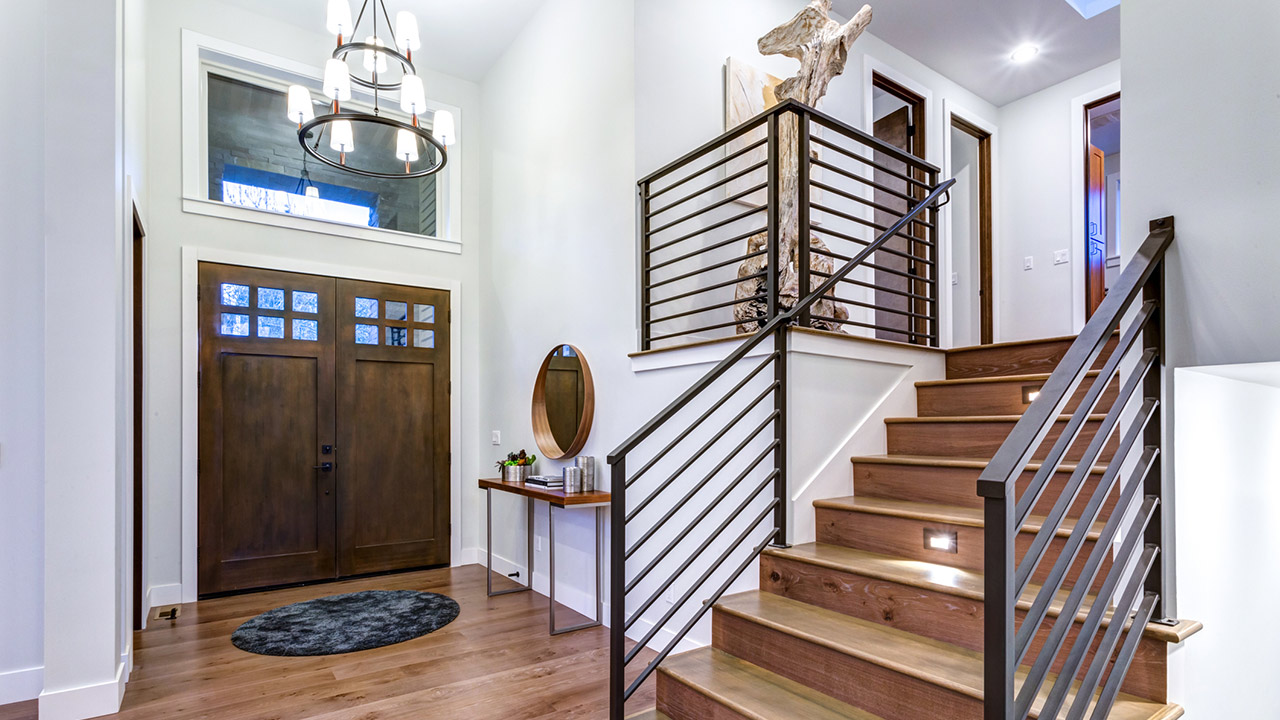
The First 30 Seconds: How Buyers Decide If They Love a Home
Buyers often decide how they feel about a home within the first 30 seconds of walking through the door. From curb appeal to lighting and scent, those initial moments create an emotional reaction that can make or break a showing. Learn what buyers notice instantly—and how sellers can make those first seconds count.
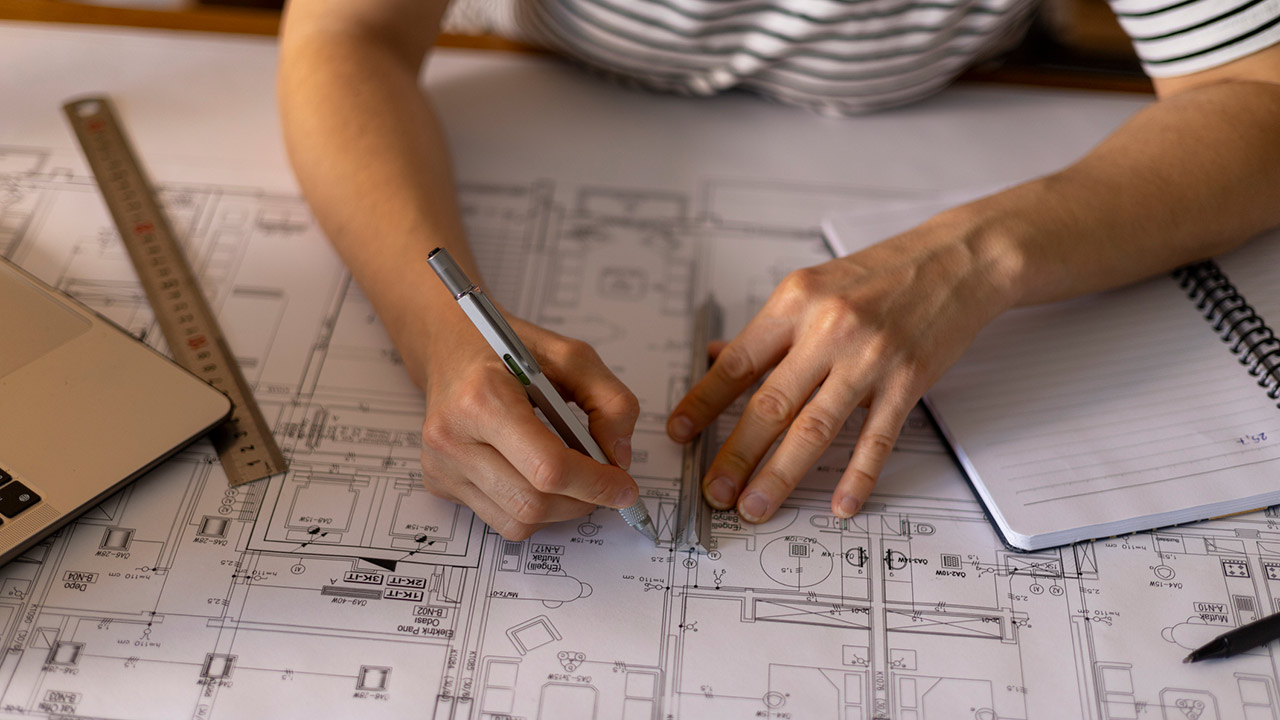
Space Planning Like a Pro: How Smart Layouts Increase Property Value
Square footage may catch a buyer’s eye, but it’s the layout that wins their heart. Properties with the same size can feel worlds apart depending on how well the space is planned. Strategic space planning transforms how a home functions and feels—boosting lifestyle appeal and increasing market value. Today’s buyers aren’t buying numbers; they’re buying experiences, flow, and livability.

Real Estate Trends 2026: What’s Hot, What’s Not, and What’s Next
In 2026, the real estate market is being reshaped by long-term shifts in how people live, work, and invest. Technology, affordability pressures, and climate awareness are redefining what “value” means in property, making it essential to understand what’s rising—and what’s fading—in the year ahead.
Contact Us
Karen quinn
(949) 636-9930
kcq@regencyre.com
25950 Acero., #100
Mission Viejo, CA 92691
CA DRE# 00623089
Quick Links
Brokerage Info
25950 Acero., #100
Mission Viejo, CA 92691
DRE 01200533


All information is deemed reliable but not guaranteed and should be independently reviewed and verified.
Powered by Sprout Interactive