The 10-Minute Drive Test: What to Notice Before You Fall in Love With a House

When you’re house hunting, it’s easy to fall in love with the house before you fall in love with the location.
You walk through the front door and see the kitchen you’ve been dreaming about. The living room gets plenty of natural light. There’s a backyard, a garage, maybe even that extra bedroom you’ve been hoping to find.
Then you step outside—and realize you haven’t really looked at the neighborhood yet.
Before you get too attached to a property, take a few extra minutes to explore the area around it. A quick drive can reveal things that a beautiful listing photo never will.
Here’s what to look for.
1. Pay Attention to the First Five Minutes
Start by driving a few blocks in every direction from the property.
What do you see?
Are the streets quiet and residential, or does traffic pick up quickly? Are there well-maintained sidewalks? Do neighboring homes and yards appear cared for? Is there easy access to the main roads you’d use every day?
You’re not trying to make a snap judgment about the neighborhood. You’re simply getting a sense of what everyday life might look like.
2. Test Your Actual Commute
A home can look perfect on a map and feel very different when you’re behind the wheel.
If possible, drive the route you would normally take to work, school, shopping, or other regular destinations. Notice how long it takes, where traffic builds, and whether the drive feels convenient—or exhausting.
For couples or families with multiple daily routines, try the routes that matter to everyone.
A few extra minutes on a map can become hours over the course of a month.
3. Find the Everyday Essentials
You probably know where the nearest grocery store is because you searched for it before the showing.
Now look beyond the obvious.
Where would you grab coffee on a busy morning? Where is the closest pharmacy? How far is the nearest gas station, park, gym, library, or restaurant you might actually use?
You don’t need every amenity within walking distance. But knowing what is nearby can help you understand how the home fits into your routine.
4. Look Beyond the Property Line
A house doesn’t exist in isolation.
During your drive, notice what surrounds the neighborhood. Are there shopping centers, schools, parks, office buildings, open spaces, or major roads nearby?
Also look for signs of future change, such as vacant parcels, construction projects, or newly developed areas.
The goal isn’t to predict exactly what the neighborhood will look like years from now. It’s simply to gather more information before making a major purchase.
5. Listen as Well as You Look
This one is easy to overlook.
Roll down the windows for a moment.
Can you hear significant road noise? Construction? Trains? Aircraft? Industrial activity?
A house may seem peaceful during a 20-minute afternoon showing but have a completely different soundscape at another time of day.
If the property remains a serious contender, consider visiting again during your typical morning or evening hours.
6. Imagine an Ordinary Tuesday
Forget the excitement of moving day for a minute.
Imagine an ordinary Tuesday.
You wake up, get ready for work or school, grab groceries on the way home, pick up dinner, and arrive back at the house.
Does the location make that routine easier—or more complicated?
This simple thought exercise can be surprisingly useful because buying a home isn’t really about how you’ll feel during the first weekend there. It’s about how the property works for the hundreds of ordinary days that follow.
7. Don’t Forget the Walk Around the Block
After your drive, park and take a short walk if the area and circumstances make that appropriate.
You’ll notice things from the sidewalk that you might miss from a car: how close homes are to one another, how people use outdoor spaces, the condition of sidewalks and streets, and whether the neighborhood feels connected or more car-dependent.
Again, there isn’t necessarily a right or wrong answer. You’re learning whether the surroundings match what you’re looking for.
8. Visit More Than Once
One visit can give you an impression. Multiple visits can give you a pattern.
If you’re seriously considering a property, try seeing the area at different times when practical. A neighborhood can feel very different on a weekday morning than it does on a weekend afternoon.
Pay attention to traffic, noise, parking, activity levels, and anything else that matters to your lifestyle.
The House Is Only Part of the Decision
Finding the right home isn’t just about the number of bedrooms, the countertops, or the size of the backyard.
It’s also about the life that happens after you pull out of the driveway.
That’s why a 10-minute drive can be so valuable. It gives you a chance to step away from the excitement of the showing and consider the bigger picture.
Because when you find a home you love, you want to make sure you love where it takes you, too.
Recent Updates
The House Features We Thought We Needed—Until We Actually Had Them
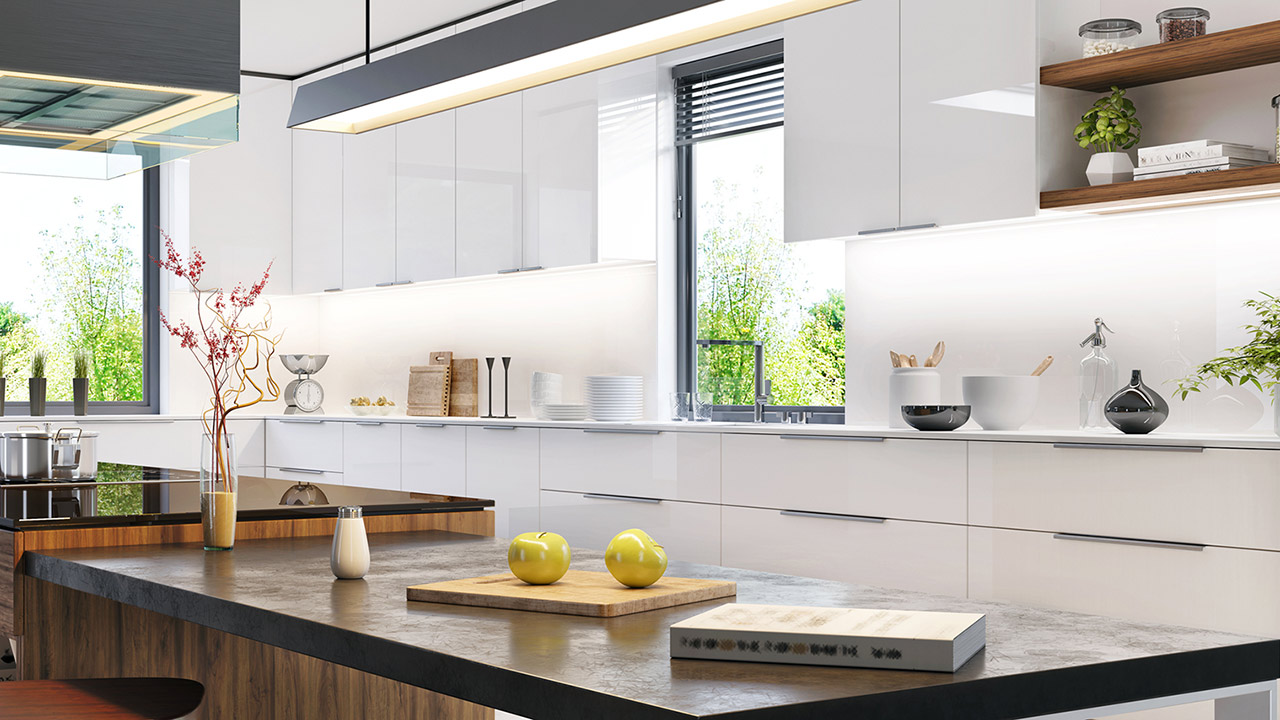
Some dream-home features look irresistible on a wish list—but living with them can be another story. From sprawling lawns and soaking tubs to open shelving and oversized kitchen islands, the best home features aren’t always the most impressive. They’re the ones that actually fit the way you live.
What Your Neighborhood Says About Your Future Resale Value
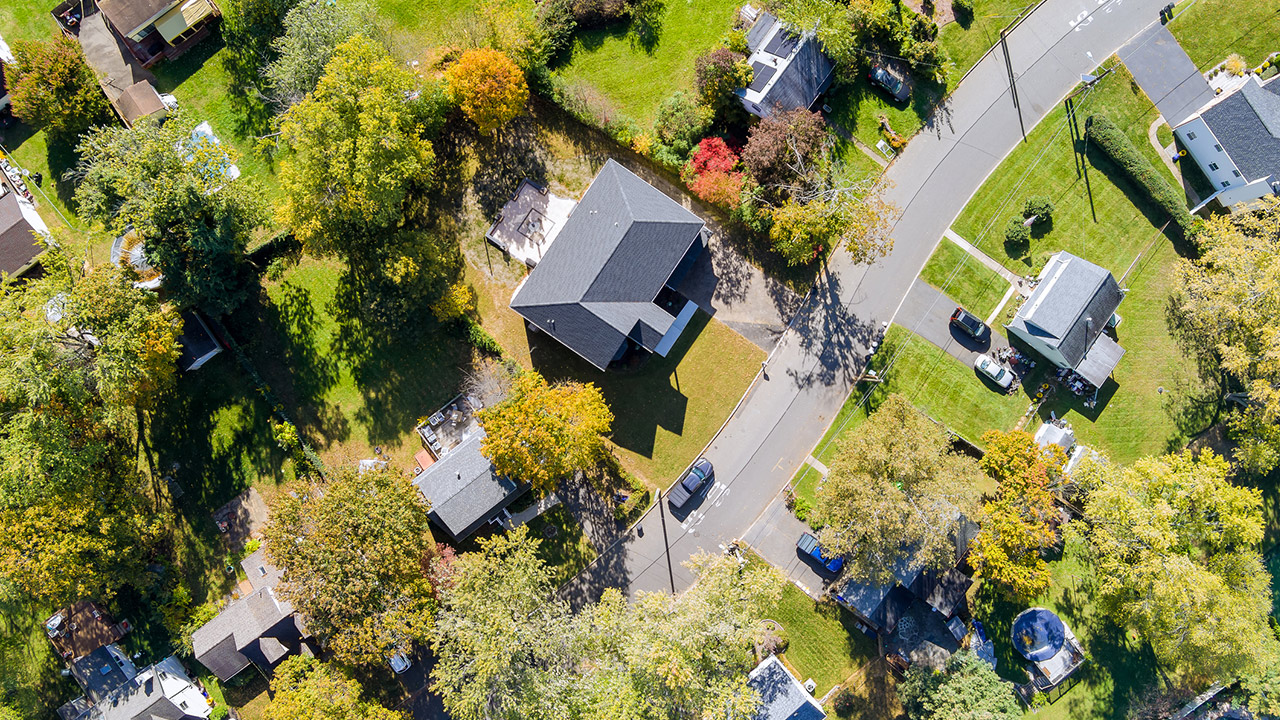
When it comes to resale value, your home’s four walls are only part of the story. Discover the neighborhood factors that can influence how desirable your property may be to future buyers—and what to look for before you make your next move.
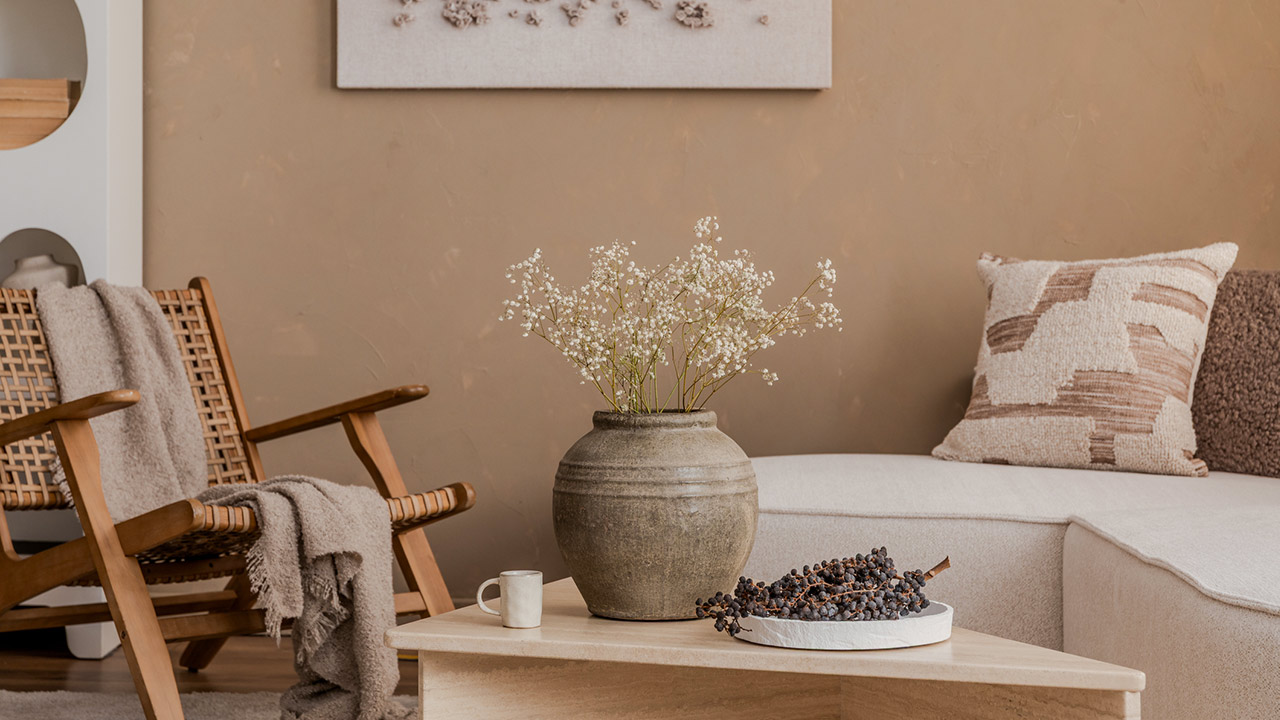
Good Taste Doesn’t Have to Cost a Fortune
A beautiful home isn’t necessarily an expensive one. Discover how thoughtful choices, clever styling, secondhand finds, better lighting, and a little restraint can create a polished space without the designer price tag.
Contact Us
Karen quinn
(949) 636-9930
kcq@regencyre.com
25950 Acero., #100
Mission Viejo, CA 92691
CA DRE# 00623089
Quick Links
Brokerage Info
25950 Acero., #100
Mission Viejo, CA 92691
DRE 01200533


All information is deemed reliable but not guaranteed and should be independently reviewed and verified.
Powered by Sprout Interactive